Centre Curriculum
Oaklands Centre Curriculum Site - CLICK HERE for full curriculum.
As we expand, the Oaklands Centre curriculum continues to grow and evolve with the changing age range and needs of our pupils. Some areas of the curriculum are currently under development.
Intention
The ethos of our curriculum is characterised by relentless ambition for every pupil. Regardless of their starting point, we believe that every pupil can make amazing progress, and we endeavour to never put a ceiling on what they can learn and achieve.
To be successful in their future education, our pupils need:
- self-confidence and positive mental health that enables them to engage with challenges
- communication and self-advocacy skills that enable them to express their needs, wants and opinions effectively
- independent self-regulation that enables them to participate in learning and wider opportunities
- social understanding and skills that enable them to develop secure, healthy relationships
- strong, secure foundational skills in reading, writing and maths that enable them to be successful in their next steps of learning
- broad and balanced knowledge and skills across the National Curriculum foundation subjects
- an enthusiasm and a love for learning
Our purposeful, meaningful, engaging curriculum aims to give every pupil these things. We foster independence and build the communication skills that our pupils need to participate in school and community life, while maintaining a strong focus on foundational skills and knowledge. We hold high expectations of what every pupil can achieve and learn, while adapting teaching to individual starting points, strengths and identified needs. The intended outcome is strong, secure progress, in both academic and personal development, for every pupil.
Implementation
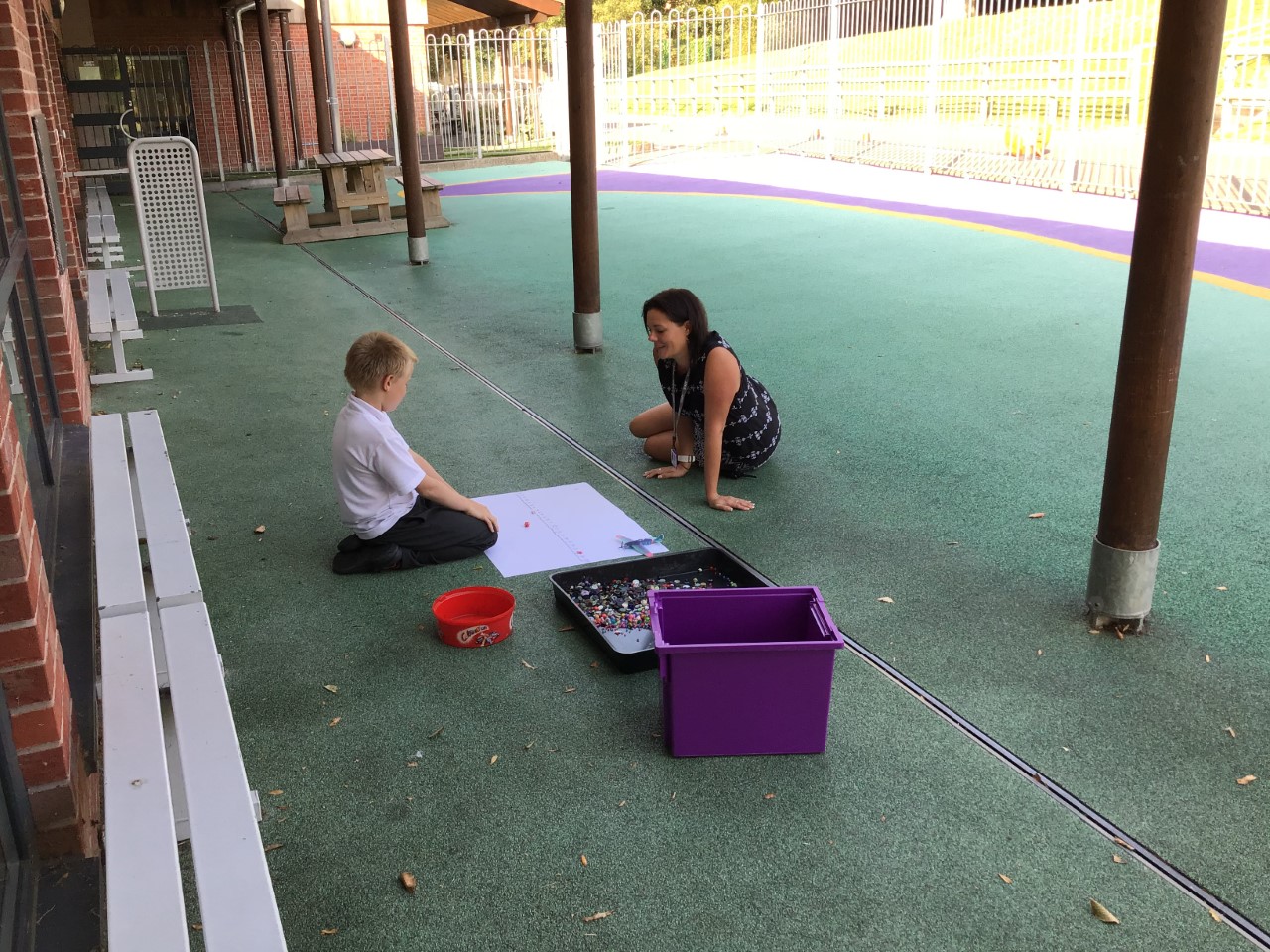
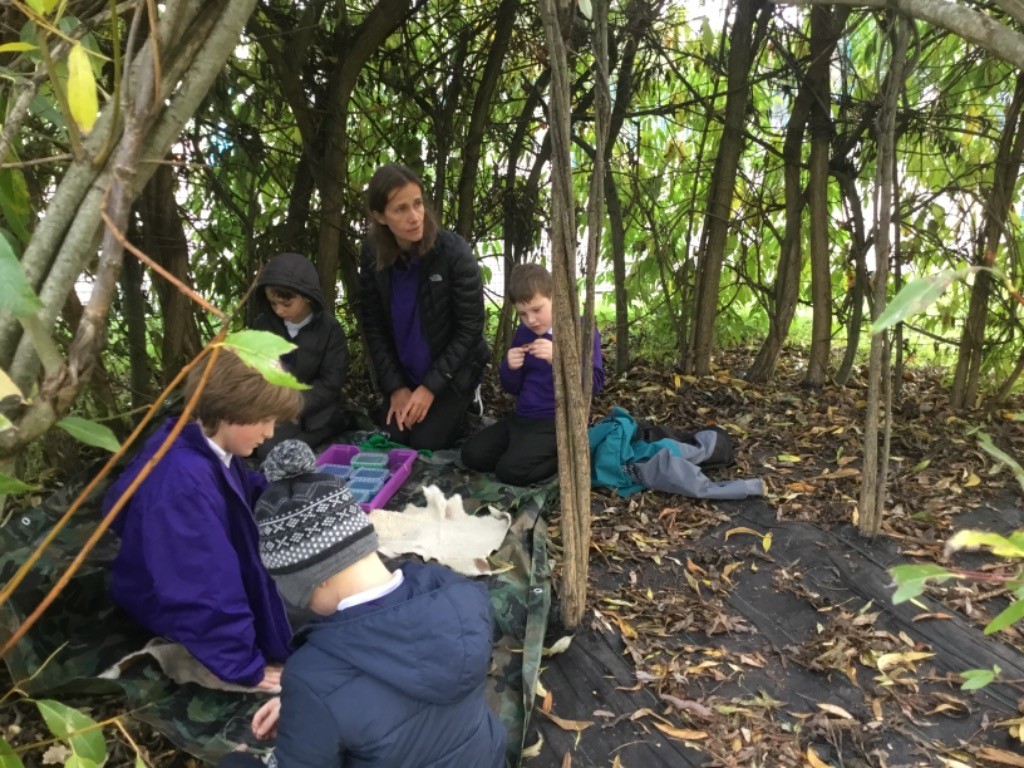
We deliver our curriculum in calm, purposeful classrooms. Our learning environment is highly structured and routined so that it is easily predictable for pupils. Each class is taught by an experienced, specialist Teacher following a high-quality, bespoke curriculum with clear endpoints and goals. The curriculum is enriched with engaging activities, trips, visits and life-skills opportunities which are all well-planned and prepared for.
Acorns Base (EYFS & KS1)
Acorns Base will offer a both a pre-formal and a semi-formal class. In the pre-formal class, the Acorns Stages curriculum builds shared attention, foundational communication, social interaction, physical development and early learning through structured play, practical experiences and multisensory teaching.
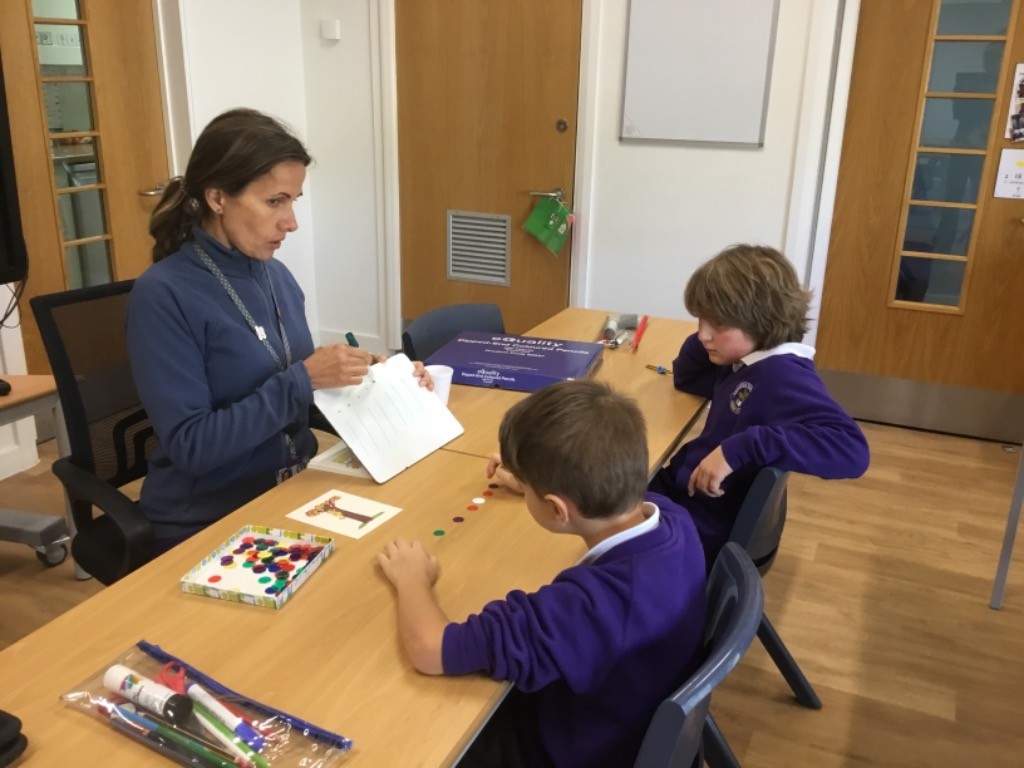
In the semi-formal class, pupils increasingly access adult-led learning in small groups. They begin to secure foundational skills in reading, writing and maths using Little Wandle, Letter Join, White Rose and NCTM Ready to Progress schemes. A rolling, themed curriculum runs alongside this covering the Prime areas of development, Understanding the World and Expressive Arts and Design.
We believe that every pupil can learn to read, and direct synthetic phonics instruction begins as soon as a pupil shows they are ready to engage with adult-led learning. Even before this, every pupil will be exposed daily to print, stories, rhymes and Phase 1 phonics through multisensory activities in readiness for future reading.
Oaks Base (KS2)
In Oaks Base, the curriculum is split into three taught strands:
- Core subjects (maths and English and science)
- Foundation subjects (computing, history, geography, RE, art and DT, Spanish and PE)
- Personal development
Pupils increasingly follow a timetable of formal, subject-specific learning. Teaching develops knowledge and skills through structured delivery of maths and English and a four-year, spiral foundation subject curriculum, with Path A and Path B providing different levels of knowledge and challenge.
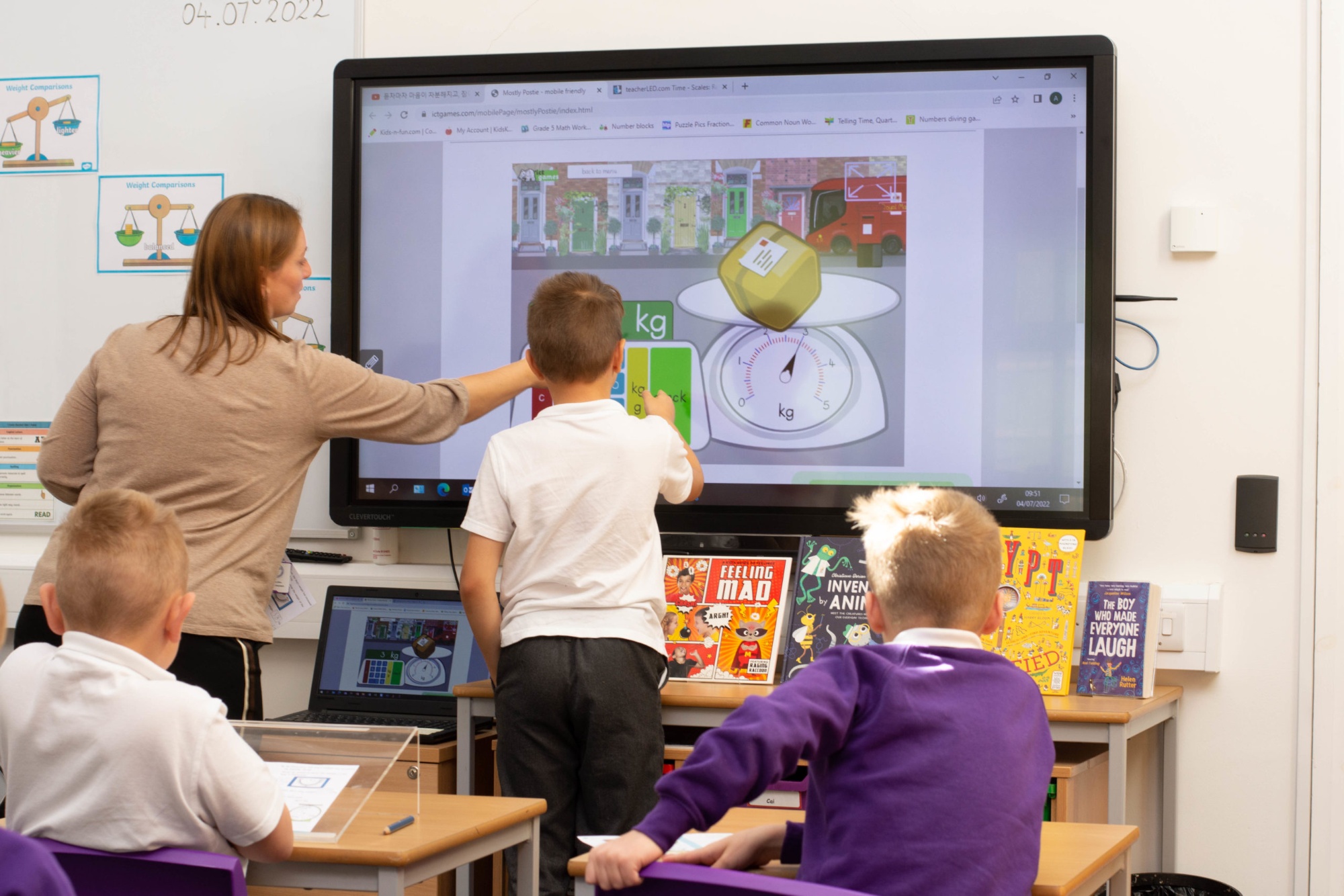
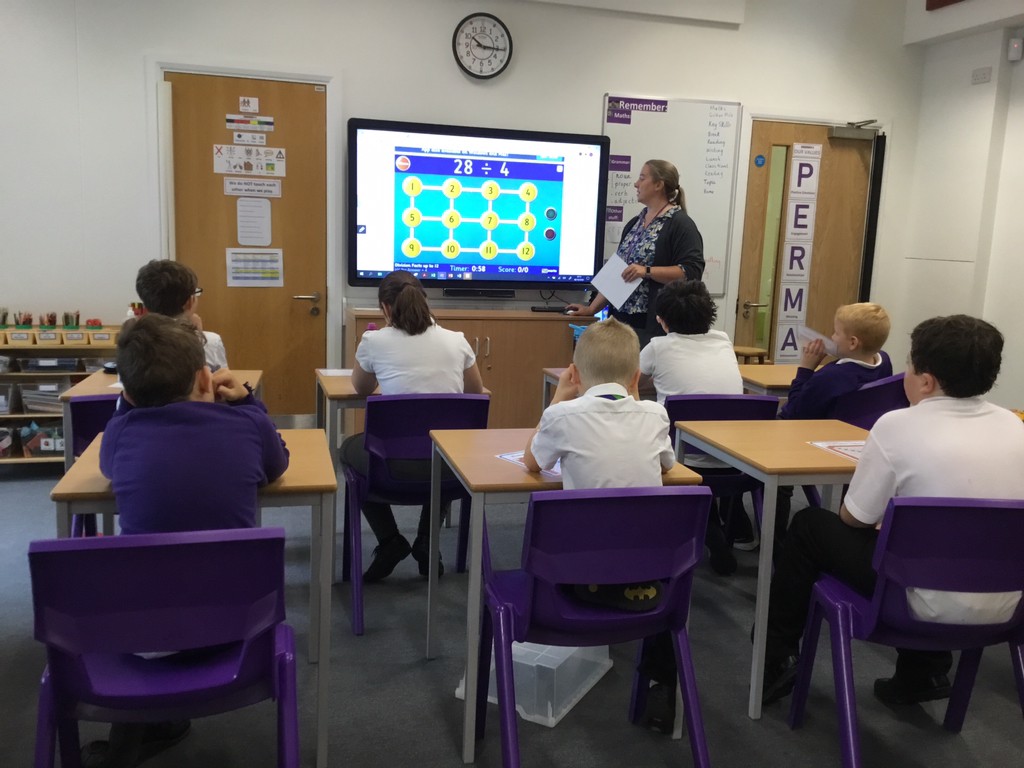
Oaks Base Teachers identify essential knowledge and clear learning goals for their class, which are differentiated as necessary. Discrete maths and English lessons are taught daily. Phonics input continues until pupils are fluent, confident readers and then reading tuition moves into the KS2 National Curriculum with a focus on fluency and comprehension. Writing is taught through a mix of direct skill instruction and plentiful opportunities to write across the curriculum, following the 12 Oaks Base Writing Steps. Maths is taught following the NCTM Ready to Progress criteria, supported by a range of high-quality resources, including White Rose.
The Oaks Base foundation subject curriculum is clearly sequenced to build on what pupils know and can do over time. Each unit has key questions and facts that identify the essential knowledge pupils should learn and remember about that topic. Explicit links are made with the mainstream curriculum and topics are aligned so that pupils can move smoothly between content taught in the base and content taught in mainstream, where curriculum inclusion is beneficial.
Personal development is taught as a discrete subject covering Social, Moral, Spiritual and Cultural Development, Relationships and Sex Education, Citizenship and British Values. This curriculum also develops pupils' understanding of neurodivergence, their self-awareness and ability to self-advocate. The taught personal development curriculum is supported and enhanced by a broad range of practical opportunities to access enrichment and life skills.
Assessment
In both bases, rigorous, regular assessment identifies gaps in learning and informs teaching. In half-termly pupil progress meetings between the Class Teacher and Inclusion Base Lead, each pupil’s progress is thoroughly reviewed, gaps identified and rapid intervention or further learning opportunities and support planned. No gap in learning is left unaddressed, ensuring pupils secure key foundational knowledge and skills and make strong progress from their starting points.
Impact
We evaluate impact through analysis of what pupils know, remember and can use, alongside their developing communication, independence, wellbeing and participation. Progress is considered from individual starting points and against curriculum goals and EHCP outcomes, recognising that meaningful progress may involve small steps and may not be linear.
Our assessment arrangements bring together personal developmental tracking, reading, writing and mathematics assessments and foundation curriculum assessments. These inform reviews with families and decisions about teaching, support and next steps.
We know that our curriculum is effective because:
- At the end of KS2 all pupils securely meet the outcomes in their EHCP. This is tracked using ShowProgress and evaluated during the Annual Review cycle.
- All pupils make strong progress from their starting points and meet their ambitious academic targets across the curriculum. This is evidenced using our rigorous formative and summative assessment and in statutory testing where appropriate.
- All pupils experience a strong sense of wellbeing, belonging and engagement in their school community. Pupils report this through termly wellbeing monitoring and inclusion surveys.
- All pupils make successful transitions to appropriate KS3 settings. Pupils’ progress in their new setting is monitored where possible through our professional links.