The Oaklands Centre
About Us
The Oaklands Centre is a Specialist Inclusion Base commissioned and funded by the Local Authority. Inclusion bases are designed to deliver high-quality teaching, bespoke learning environments and flexible access to specialist education, helping children thrive academically, socially, and emotionally.
The Oaklands Centre follows the six principles of effective practise in inclusion bases:
1. Supporting inclusion in the school or local area
- children and young people are active members of the mainstream school community, with time in mainstream classes included where it is beneficial and enjoyable for the child
- the base strengthens inclusion across the whole school, for example through shared strategies, peer integration, and staff collaboration
Oaklands Primary School is an inclusive school, and every Oaklands Centre pupil is a highly valued member of the community. Centre pupils access all of the school's facilities and there are many whole-school adaptations that support their inclusion: uncluttered classrooms and corridors; muted colour schemes; acoustic dampening; dimmable lighting; a calm, structured atmosphere; shared visuals and consistent, predictable, school-wide routines. Aligned morning timetables across the school enable integration of Centre pupils into mainstream classes for core subjects where beneficial.
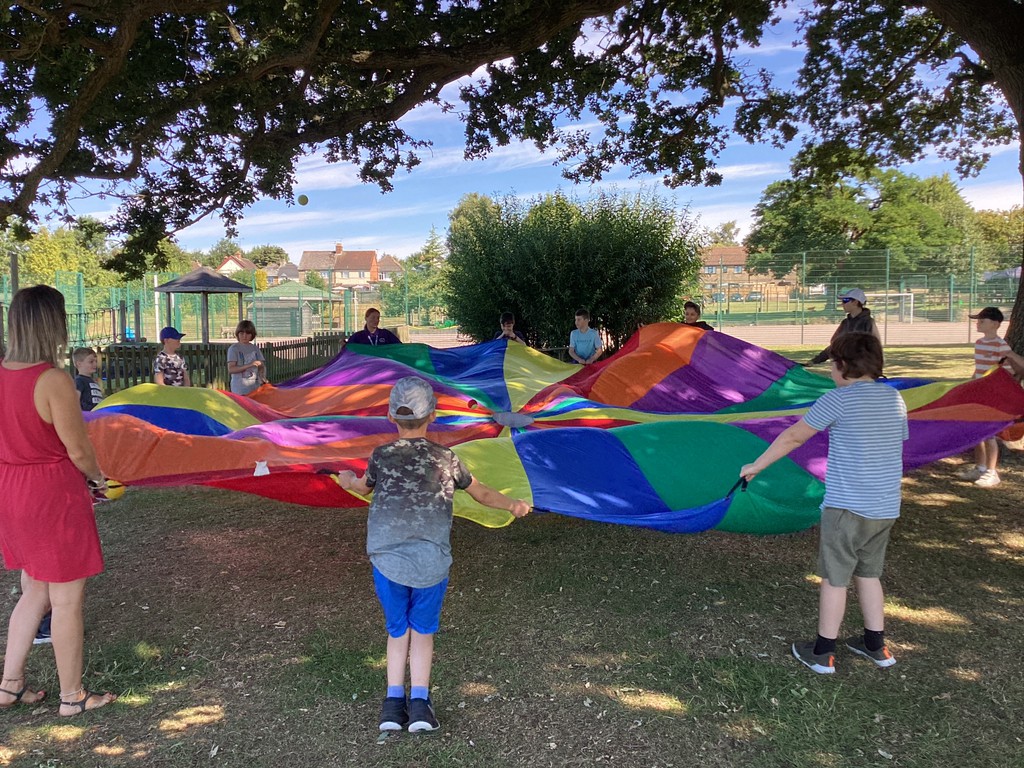
Base pupils access assemblies, whole-school special events, sports days and community events such as fairs and discos. Centre pupils are active members of the School Council and E-Safety Committee, join Sports Crew, act as Library Monitors and are included in all 'pupil voice' activities. In a recent 'belonging' survey, all Centre pupils reported feeling included as part of the school and knowing adults and children in mainstream.
2. High-quality curriculum design
- children access a broad, ambitious curriculum, aligned with mainstream, but adapted to remove barriers rather than reduce expectations
- curriculum planning balances breadth, focussed delivery of key learning, appropriate adaptations, and specialist support and interventions
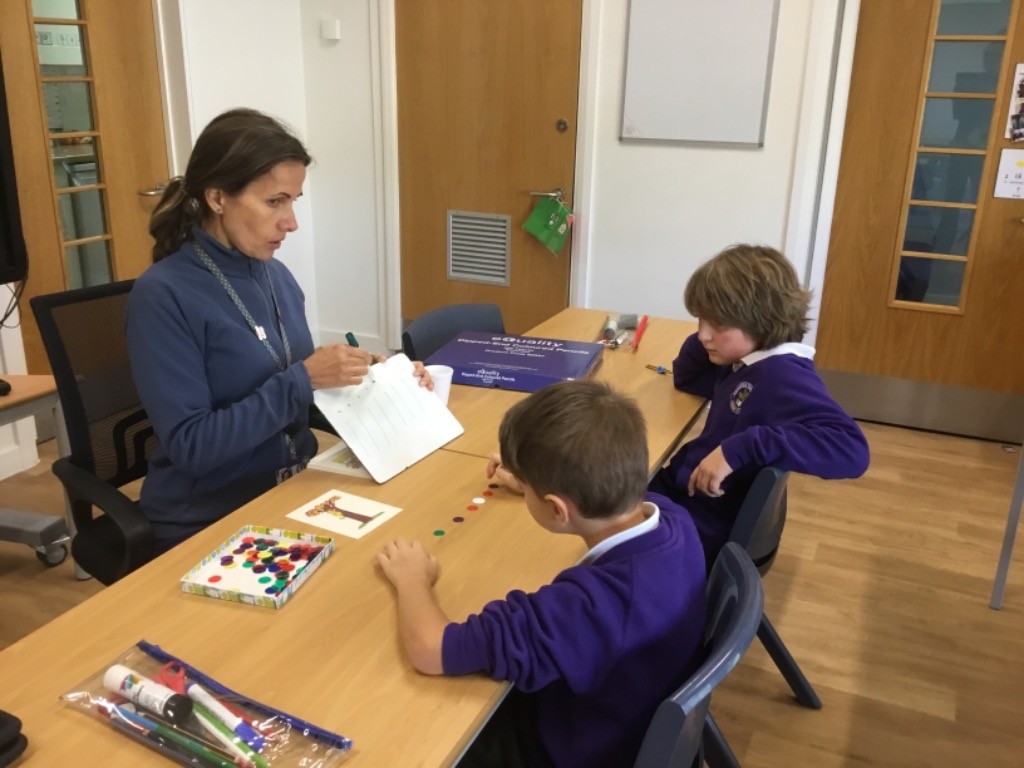
The Oaklands Centre curriculum is designed for progression. The Acorns Base curriculum begins by developing shared attention, communication, regulation and early learning through structured play and multisensory experiences. The Oaks Base curriculum moves pupils towards more formal, subject-specific learning through a clear, well-sequenced progression of maths, reading and writing objectives and a four-year, spiral foundation subject curriculum. Structured English and maths teaching is adapted to each cohort, and pupils can work across curriculum levels to reflect uneven profiles of academic strengths and needs. Explicit teaching, clearly identified key facts, opportunities for over-learning and repeated retrieval practice secure essential knowledge.
The Oaklands Centre curriculum is bespoke; it is different to the mainstream curriculum due to the requirement for mixed year-group teaching and needs-adapted delivery. However, the mainstream and Oaklands Centre curricula are closely aligned and explicit links are made. The Oaklands Centre uses all whole-school schemes including Little Wandle, LetterJoin, Numbersense, White Rose Maths and Literacy Shed, ensuring that Centre pupils have the same 'diet' of learning as their mainstream peers. The whole-school 'Small Steps for Writing' are built into the Oaklands Centre writing curriculum. The Oaklands Centre foundation subject curriculum is mapped to the mainstream curriculum and plans clearly identify where the same objectives are taught in mainstream, supporting the sharing of resources and facilitating smooth transition for pupils between Centre and mainstream classrooms.
The PERMAH themes - positive emotions, engagement, relationships, meaning, achievement and health - structure learning about healthy living, wellbeing, neurodiversity, safety, relationships and independence. This links academic learning with preparation for wider life.
3. Effective data, assessment and outcomes
- expectations are high, with progress tracked against clear baselines and regularly reviewed
- provision is responsive and adjusted based on evidence of what works and robust evaluation
Rigorous assessment is a core part of day-to day practise in the Centre and ensures that pupils make strong progress from their starting points. Clear, detailed frameworks and assessment systems are in place to closely track all aspects of pupils' development and progress including: Acorns Stages; Pre-Key Stage Standards; bespoke assessment frameworks for KS2 reading, writing and maths; foundation unit assessments; personal development tracking; wellbeing tracking and EHCP outcome reviews. Formative and summative assessment are used effectively to rapidly identify gaps in learning or development. Where staff identify gaps, intervention or adaptations to teaching or provision are planned to ensure those gaps are closed. Pupil Progress Meetings are held on a half-termly basis between class teachers and the Inclusion Base Lead to thoroughly review each pupil's progress and plan any adaptation needed to secure learning.
4. Effective workforce and leadership
- a skilled, teacher-led team deliver high-quality teaching and specialist support
- the base acts as a centre of expertise, building capacity across the whole school
The Inclusion Base Lead is a member of the school's Senior Leadership Team, ensuring that Centre pupils' needs are considered in all school decisions. The Inclusion Base Lead designs and develops the Centre curriculum and ensures that the quality of teaching in the Centre is consistently high. The school employs full-time, experienced, specialist teachers for each base class, and they are supported by skilled, well-trained, specialist TAs. Centre staff work closely with mainstream staff, providing information to support the inclusion of pupils who join mainstream classes, sharing expertise and offering advice around neurodivergence across the school.
5. Effective partnership working
- strong partnerships are in place with families, staff, and external professionals
- there is collective ownership of provision in the base, avoiding siloed working
Centre staff have close contact with home and encourage open, regular, two-way sharing of information. One of our key aims is to create a strong ‘circle of support’ around each pupil in which families and professionals work closely together to ensure the best outcomes for the pupil.
The Oaklands Centre is at the heart of the school and all staff take pride and enjoyment from supporting the Centre's pupils. All members of the Senior Leadership Team take a keen interest in the Centre and are frequent visitors to the base classrooms; they know the children well and support the Centre by providing cover and attending trips. The Headteacher, School Inclusion Lead and Inclusion Base Lead work in close partnership on operational and strategic matters concerning the Centre. Collaboration happens on a day-to-day basis between Centre and mainstream teachers, providing support for Centre pupils who integrate and offering advice and expertise around neurodivergent pupils in mainstream. Mainstream teachers and TAs know Centre pupil's names and enjoy talking to them when they meet them at playtimes or around the school. Our SEND Governor is a Specific Learning Difficulties specialist and delivers training and offers advice to Centre staff. Our Site Manager knows the Centre's children, understands their needs and helps to keep the site safe specifically for them. Our kitchen staff also understand the Centre children's needs and are incredibly supportive and flexible, ensuring children have food presented as they can eat it and helping to diversify their diets. Supporting the Centre is a genuine, every-day, whole-team effort.
6. Inclusive and accessible physical environments
- environments are inclusive, integrated and close to mainstream spaces, supporting accessibility, smooth transitions, and connection to everyday school life
- bases are flexible, well‑resourced and purposeful spaces, supporting varied activities while improving wellbeing, engagement and accessibility
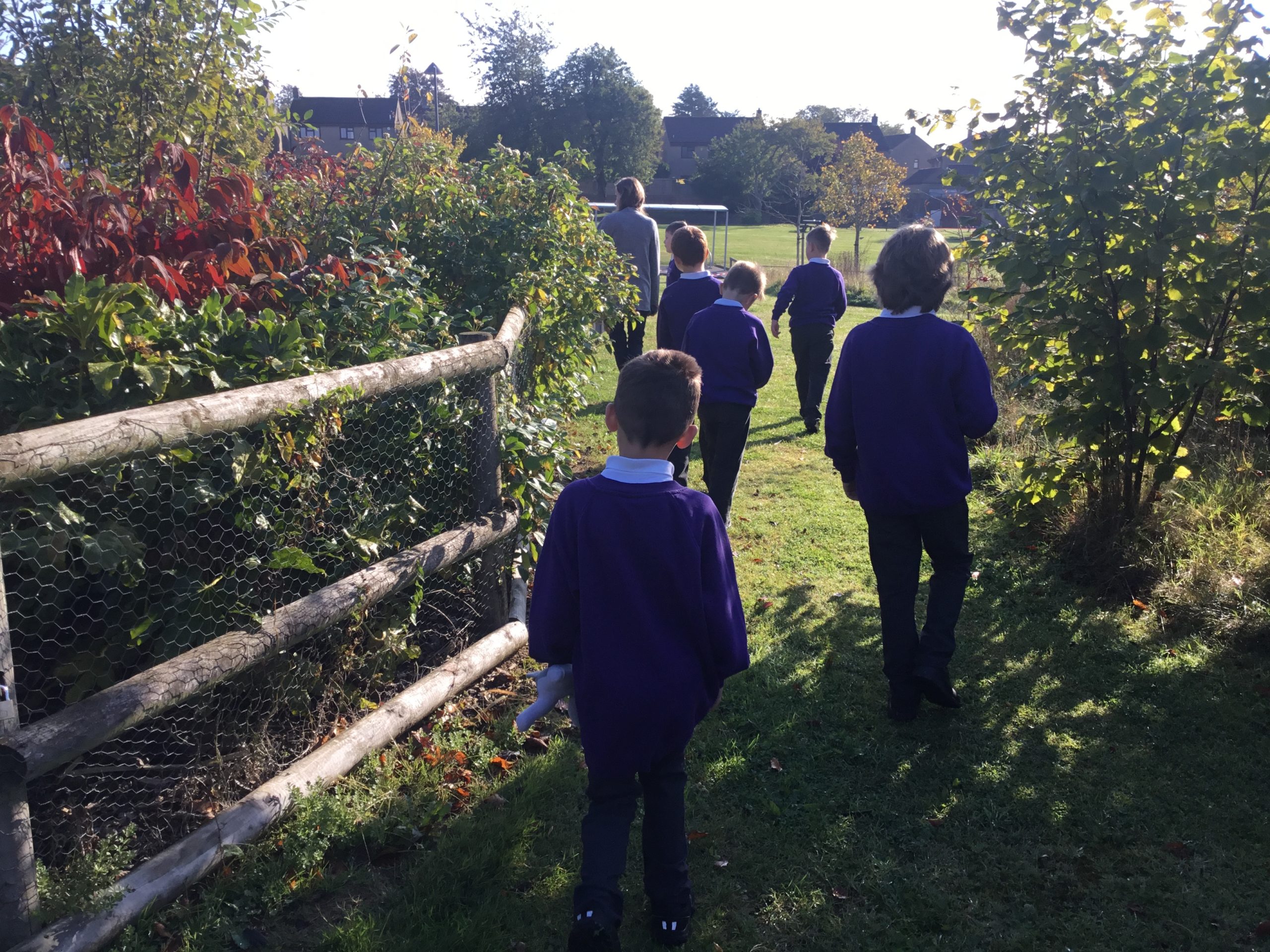
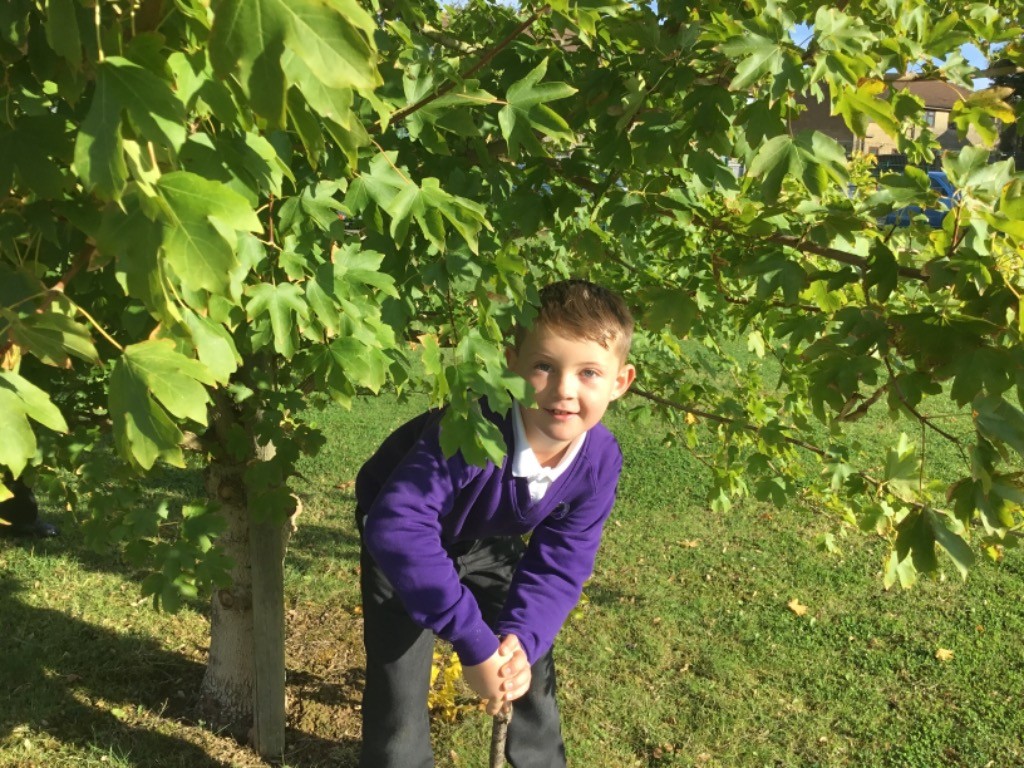
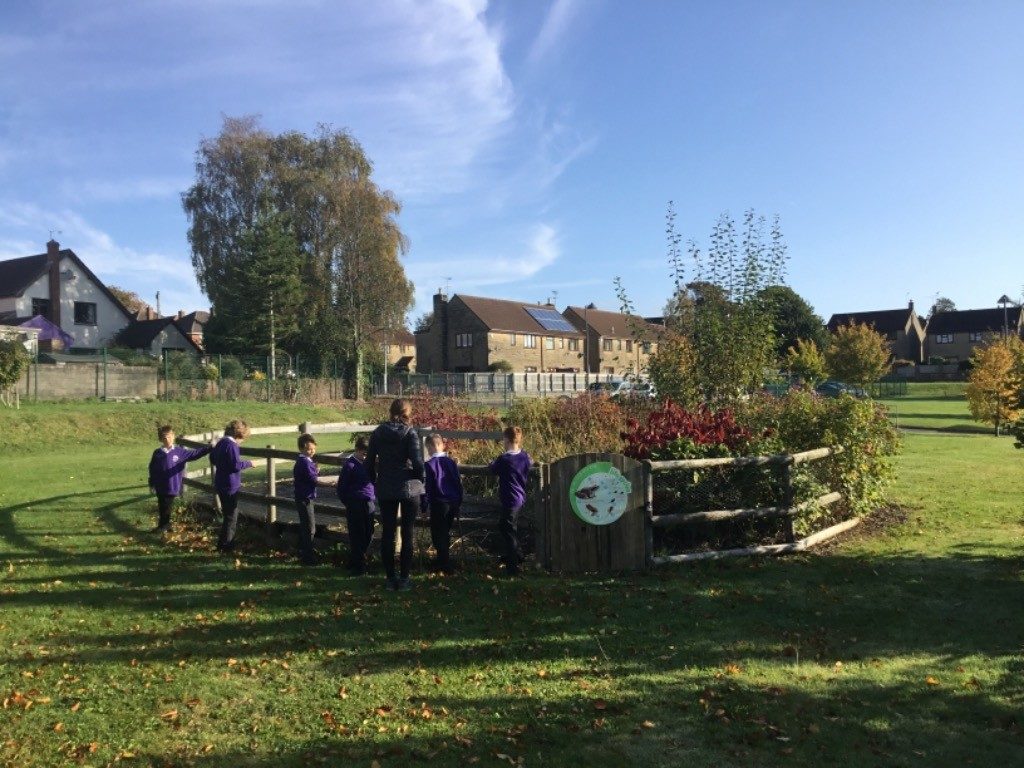
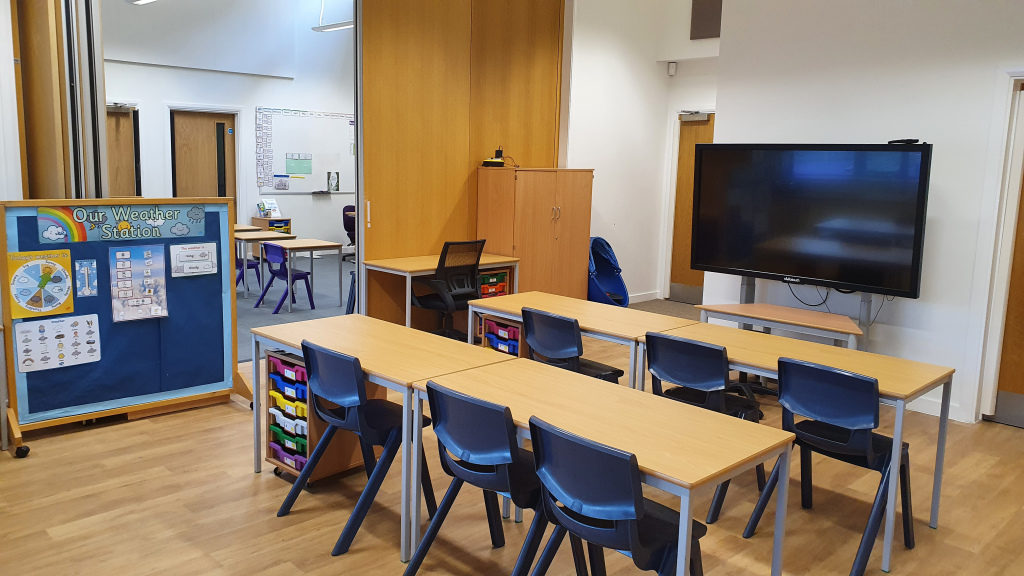
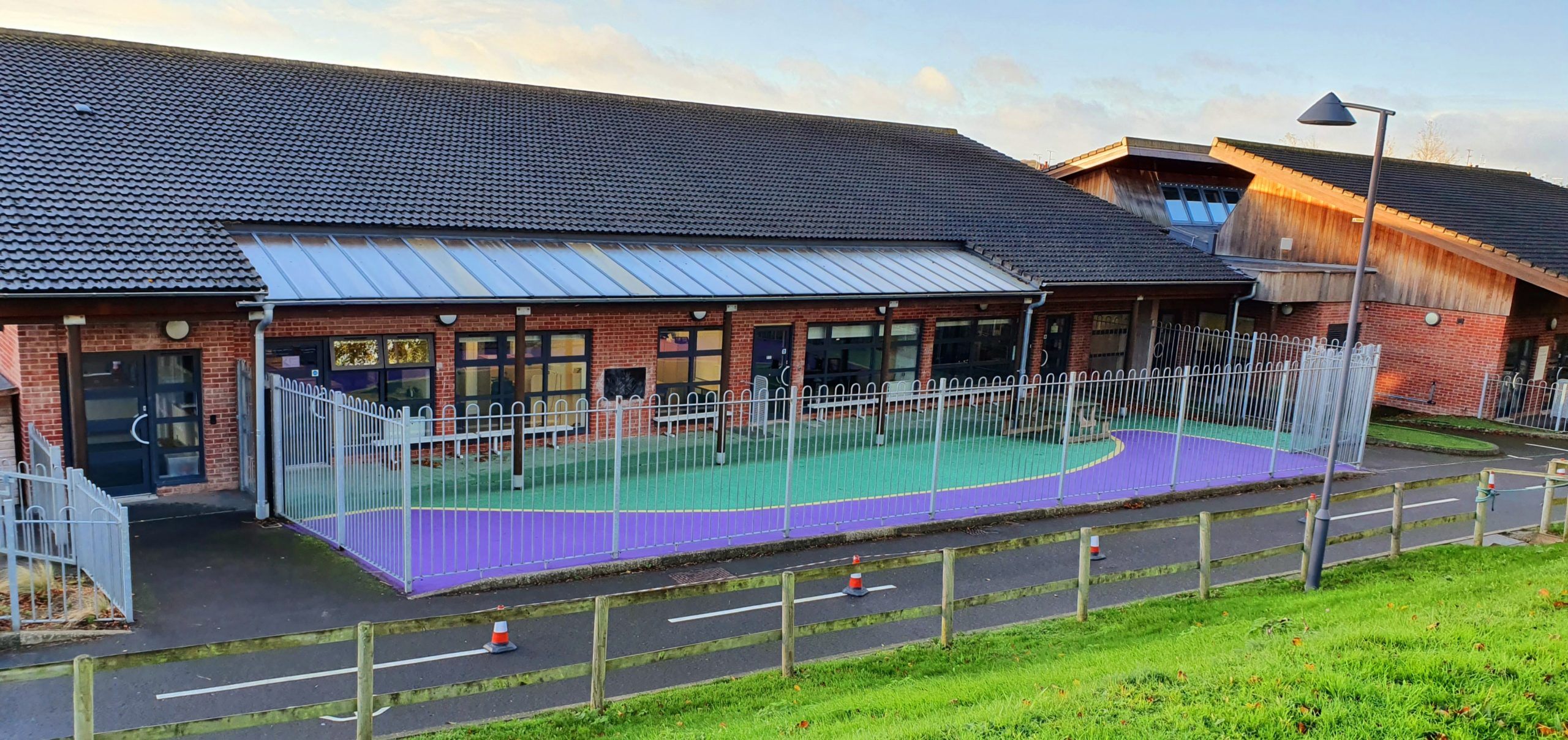
The Centre is fortunate to have beautiful, well-designed, specialist classrooms which are calm and purposeful. Pupils have access to a wide variety of indoor and outdoor spaces across the school to support their learning, regulation and wellbeing, including classrooms, group rooms, sensory spaces, a cookery room, a music room, forest play areas, OPAL play areas and adventure play equipment. The Centre is extremely well resourced and pupils have access to all the equipment they need, including learning resources, technology and sensory support.
The Oaklands Centre aims:
- To understand, accept and embrace all aspects of neurodivergence.
- To provide an environment in which neurodivergent learners can genuinely thrive.
- To provide a learning environment for all pupils that is safe, structured, calm and positive.
- To respect, understand and include every pupil and to hold every pupil in unconditional positive regard.
- To ensure that every pupil becomes an effective communicator and builds the skills to advocate effectively for themselves.
- To recognise, celebrate and build on each pupil’s unique strengths.
- To build confidence, self-esteem, independence and agency in every pupil.
- To ensure that every pupil experiences joy and a sense of achievement through their learning.
- To ensure that every pupil experiences a strong sense of belonging in their class, the Oaklands Centre and the school community.
- To have high expectations of every pupil and always presume competence.
- To create a strong ‘circle of support’ around each pupil in which families and professionals work closely together to ensure the best outcomes for the pupil.
- To ensure each pupil secures the skills and knowledge and independence needed for positive outcomes in their next phase of education and life.